
The Europa League Trophy: History Behind the Silverware
 Available in US
The heaviest prize in European football
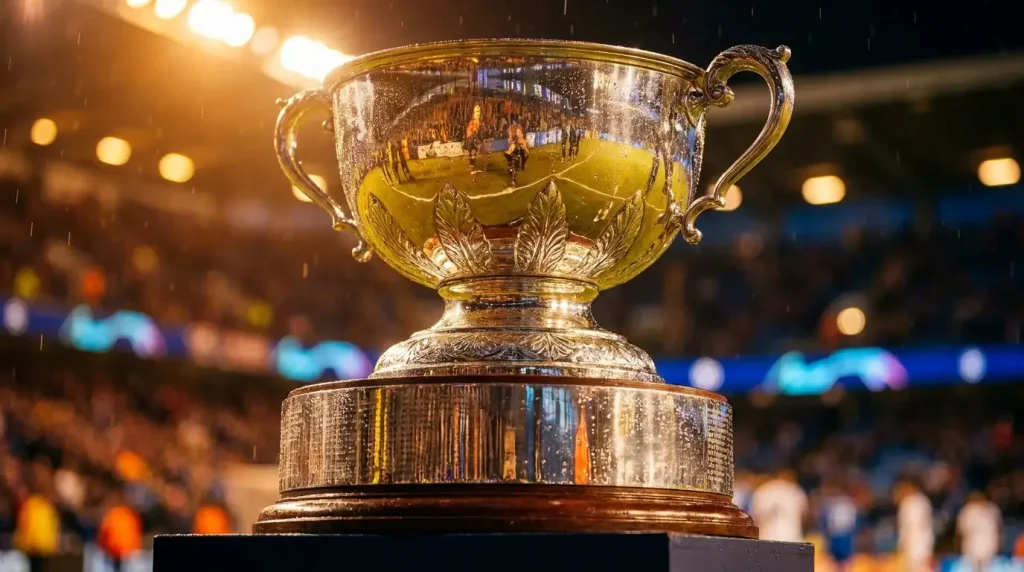
Pick up a replica of the Europa League trophy and the first thing that strikes you is the weight. The real thing weighs fifteen kilograms and is made of silver, making it one of the most physically substantial trophies in the game, a genuine handful for the captain who has to hoist it above his head after 180 minutes plus a final. That heft is a small detail that captures something larger about this competition: it is older, weightier and richer in history than its reputation as a second-tier eurocup suggests.
The history matters for more than nostalgia, because pedigree in this competition is a real and recurring phenomenon. Sevilla holds the record with six titles, an extraordinary dominance of a single tournament that no other club approaches, and that kind of concentrated success is not random; it reflects something durable about how certain clubs and managers approach the competition. Understanding the trophy’s history is partly understanding why the same names keep appearing on it, which is a thread that runs into how the competition is predicted.
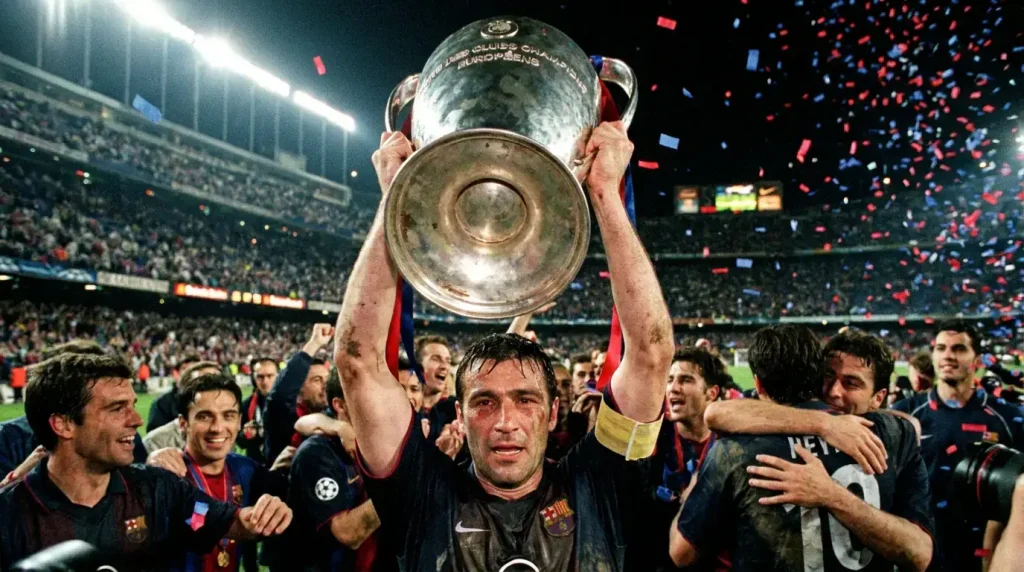
So this article tells the story of the silverware: the trophy itself, the record holders who have dominated it, and the recent winners who have added their names, including the team that lifted it most recently.
The trophy itself
The trophy is a striking object with a character distinct from European football’s other prizes. Weighing fifteen kilograms and crafted from silver, it is a large, ornate piece without handles, designed to be lifted in a particular two-handed embrace that has become part of the competition’s imagery. The sheer weight is not incidental; at fifteen kilograms it is a demanding thing to hold aloft, and the sight of an exhausted captain wrestling it skyward after a final is one of the enduring scenes of the European calendar.
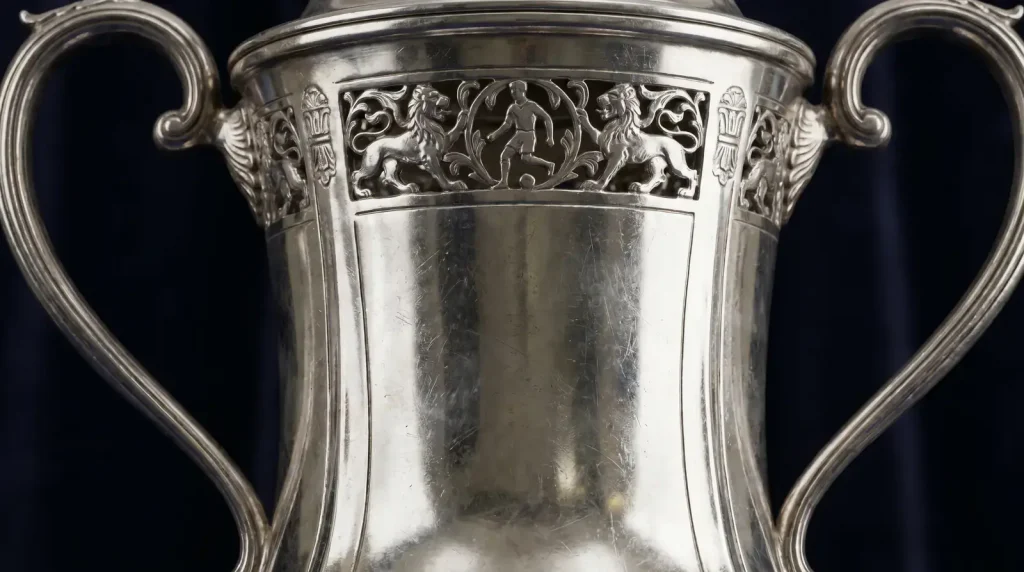
What the trophy represents has evolved alongside the competition itself, which has been rebranded and reformatted over the decades from its origins as a knockout tournament into the modern Europa League. Through all those changes the silverware has remained the symbol of continental success below the Champions League, and winning it carries genuine prestige, particularly for clubs for whom it represents the pinnacle of a realistic ambition rather than a consolation. The trophy is a serious prize pursued seriously, which is exactly why the competition produces the committed, high-stakes football that makes it worth predicting.
The physical permanence of the trophy also underlines the continuity of the competition’s records. Whatever the format changes, the same trophy passes from winner to winner, and the roll of names engraved on its history forms an unbroken line that lets us compare clubs and managers across eras. That continuity is what makes the record holders meaningful, because a club that has won this specific competition six times has demonstrated something sustained against decades of different opponents, formats and conditions, and the trophy is the thread that ties all those triumphs into a single, comparable record.
Record holders
The most remarkable record in the competition belongs to Sevilla, whose six titles represent a dominance of a single European tournament that has no real parallel. To win any major European competition six times is extraordinary; to do it in the same tournament, across changing formats and generations of players, points to an institutional affinity for the competition that goes beyond any single great team. Sevilla’s record is the clearest evidence that success in this tournament can be a repeatable trait of a club rather than a one-off, and it is the benchmark against which all other histories in the competition are measured.
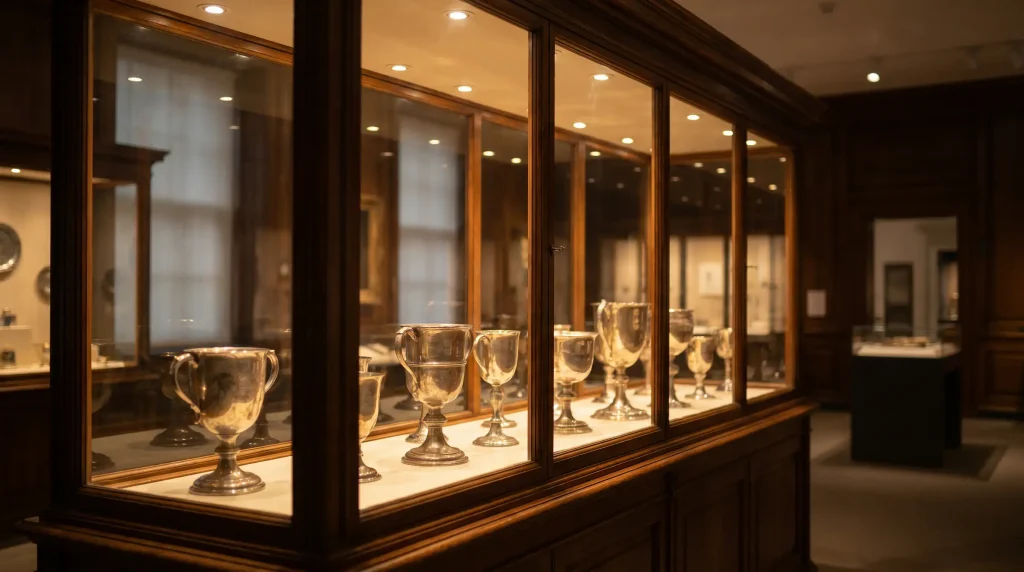
This concentration of success at the top of the all-time list is itself a lesson in how the competition rewards certain qualities. Winning the Europa League requires navigating a long campaign, a demanding knockout phase of two-legged ties, and a one-off final, and clubs that have learned to do this repeatedly tend to share characteristics: tactical organisation suited to knockout football, squad depth to survive the fixture load, and often a manager with a particular feel for the competition. The record holders are not lucky; they are clubs that have cracked something about how this specific tournament is won.
For anyone interested in prediction, the record book is a quiet argument for taking pedigree seriously. The fact that titles cluster at certain clubs rather than spreading evenly suggests that experience and institutional know-how in this competition carry real weight, which is why a club or manager with a strong Europa League history deserves more respect in an outright market than raw squad quality alone would indicate. The trophy’s history is not just a list of past winners; it is evidence that some clubs are structurally better at winning this particular prize, and that is information worth carrying into a prediction.
Recent winners
The most recent name added to the trophy is Aston Villa, who beat Freiburg 3-0 in the 2026 final to claim the title. It was a landmark victory for the club in more ways than the scoreline suggests, because it was Villa’s first Europa League title and their first European trophy in 44 years, ending a long drought that stretched back to their European Cup triumph of 1982. A win of that significance, breaking decades of waiting, is the kind of result that reshapes a club’s modern identity.
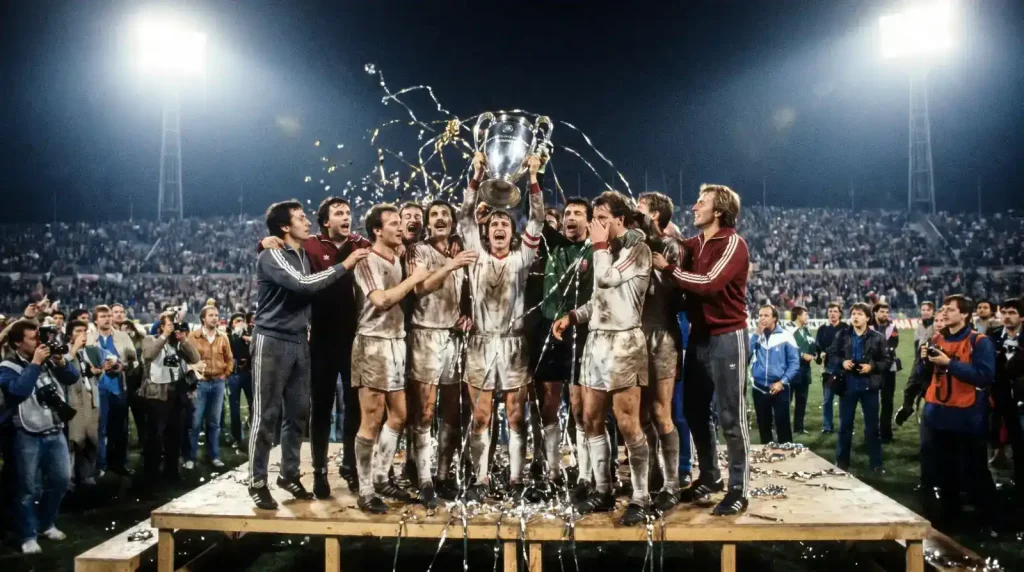
The 3-0 final fits a pattern worth noting about how these showpiece matches resolve. A comprehensive scoreline in a final can look inevitable in hindsight while having been anything but beforehand, because a one-off match on neutral ground is a high-variance event where a tight contest can tip and then run away from the losing side. Villa’s victory was emphatic on the night, but the margin reflects how a final can break decisively once the balance shifts, rather than proving the result was ever a foregone conclusion. The trophy’s recent history is full of such finals, where the eventual margin disguises how finely poised the match was.
Adding Villa to the roll of winners also illustrates how the competition continually mixes the established and the new. Alongside serial winners like Sevilla, the trophy regularly welcomes first-time champions whose victory carries enormous meaning for their supporters, and that blend of dynasty and breakthrough is part of what gives the competition its texture. A club ending a 44-year wait and a club winning its sixth title are both authentic Europa League stories, and the trophy holds them together. The final that decides who lifts this silverware is the hardest match of all to predict, which is the subject of my analysis of predicting the one-off final.
Which club has won the Europa League most often?
Sevilla, with six titles, a record that has no real parallel in any single European competition. Winning the same tournament six times across changing formats and generations of players points to an institutional affinity for the competition that goes beyond any one great team. For prediction, this concentration of titles at certain clubs is a quiet argument for taking pedigree seriously, since it suggests experience and know-how in this specific tournament carry real weight that raw squad quality alone does not capture.
How heavy is the trophy?
The Europa League trophy weighs fifteen kilograms and is made of silver, making it one of the most physically substantial prizes in the game and a genuine handful for the captain who lifts it. It is a large, ornate piece without handles, designed to be hoisted in a distinctive two-handed embrace that has become part of the competition"s imagery. The weight is a small but telling detail about a trophy that is older and richer in history than the competition"s second-tier reputation suggests.
Articles
Created by the "Europa League Prediction" editorial team.
