
Predicting the Europa League Final: A One-Off Game

 Available in US
The hardest match of the season to predict
People assume the final is the easiest game to call because it features the two best surviving teams, and they have it exactly backwards. The final is the single hardest match of the entire competition to predict, and the reason is structural rather than about the quality on the pitch. The 2026 final, where Aston Villa beat Freiburg 3-0 at Beşiktaş Park in Istanbul, looked emphatic in the end, but the scoreline tells you nothing about how predictable it was beforehand.
The problem is that everything that made the earlier rounds readable disappears in a final. Across two legs you have 180 minutes for quality to assert itself and a running aggregate that lets you reason about game states. A final collapses all of that into ninety minutes on neutral ground, with no second chance and no home comfort for either side. That compression is what makes the final a variance machine, and pretending otherwise is how confident pundits get embarrassed every May.
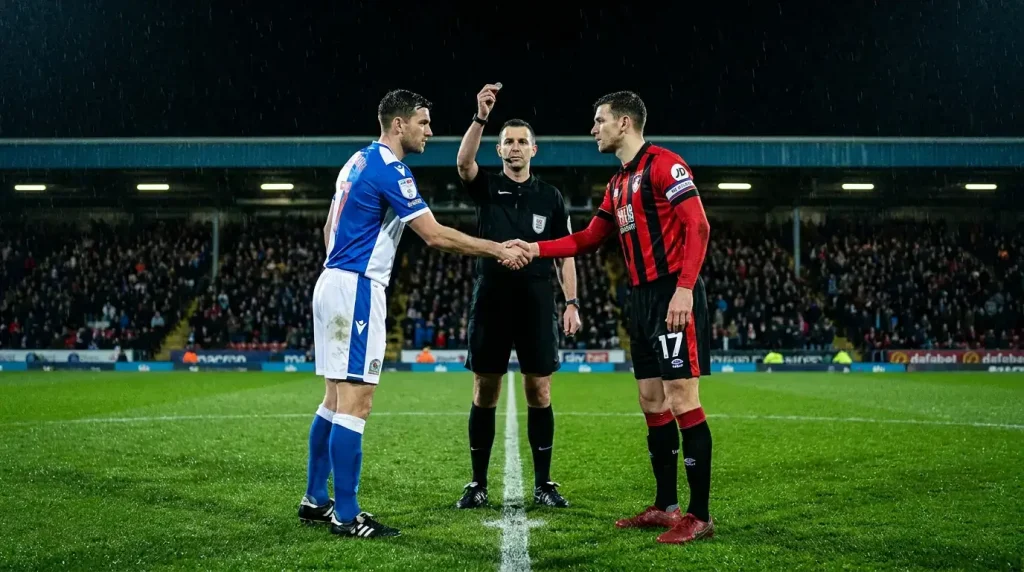
So this piece is about predicting under maximum uncertainty: what the neutral venue actually does to the contest, why a single match is so much noisier than a tie, and what the 2026 final can teach us about reading the occasion without being fooled by the result.
What a neutral venue really does to the game
The obvious thing a neutral venue does is strip out home advantage, and that alone reshapes the prediction. For an entire knockout campaign, teams have been able to lean on a home leg, the crowd, the familiar pitch and the travel burden falling on the opponent. The final removes all of it at once. Neither side gets the edge they have been banking on, and a team whose results were quietly inflated by strong home form loses a crutch it may not even have known it was using.
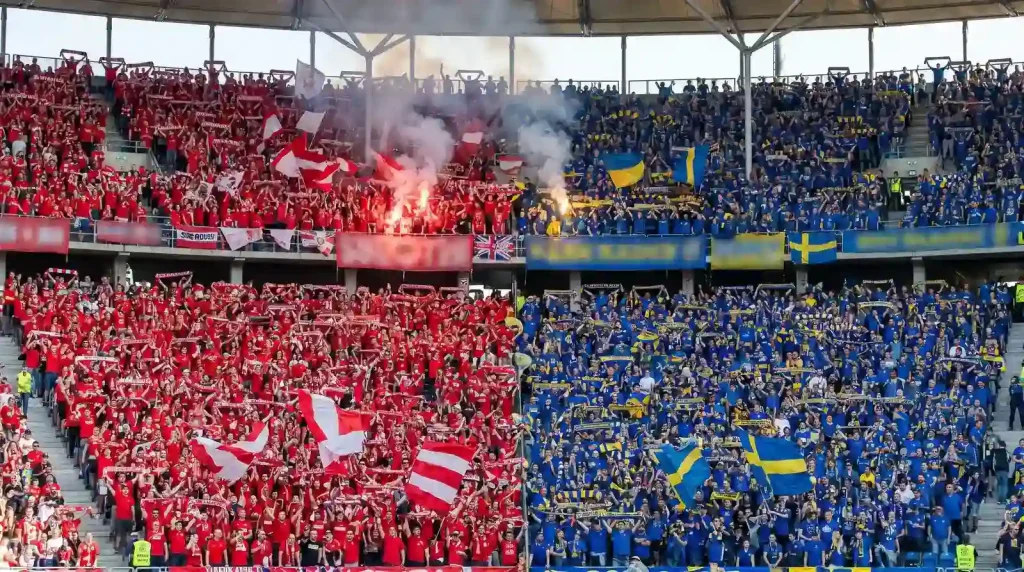
But the neutral venue does something subtler too, and it cuts against the simple “home advantage gone” story. A final is rarely played in front of a genuinely neutral crowd. One club often travels in greater numbers, or the venue sits closer to one fan base, so the atmosphere can tilt even when the geography is meant to be fair. The honest read is that the home edge is reduced rather than abolished, and you have to assess each specific final to judge how cleanly it was removed.
There is also the matter of preparation and occasion. A neutral final is a one-week build-up to a single event, with media obligations, ticket logistics and the psychological weight of an occasion that many of these players will never experience again. Some teams thrive on that stage and some freeze, and the form book offers little guidance on which is which, because most squads simply have not been there enough times to establish a pattern. Predicting a final means accepting that you are working with less venue information than at any other point in the competition, and pricing your confidence accordingly.
Why one match is so much noisier than a tie
This is the part people underweight, and it is the most important. A single match is a small sample, and small samples are dominated by luck. Over two legs, a fortunate goal or a refereeing call gets diluted across 180 minutes and two opportunities for the better team to prove itself. In a final, one deflection, one tight offside, one moment of brilliance or one error can decide the trophy, and there is no second leg to correct the noise.
The academic work on prediction models makes this concrete. Across studies of expected-goals models on European leagues, overall outcome accuracy sits around 50 per cent, and that is the average match. A final, with its added pressure and reduced sample, is if anything harder than the typical fixture those models were tested on, which should temper anyone’s confidence about calling the result. The models are telling you that even with good data, a single football match is close to a coin flip more often than fans want to believe.
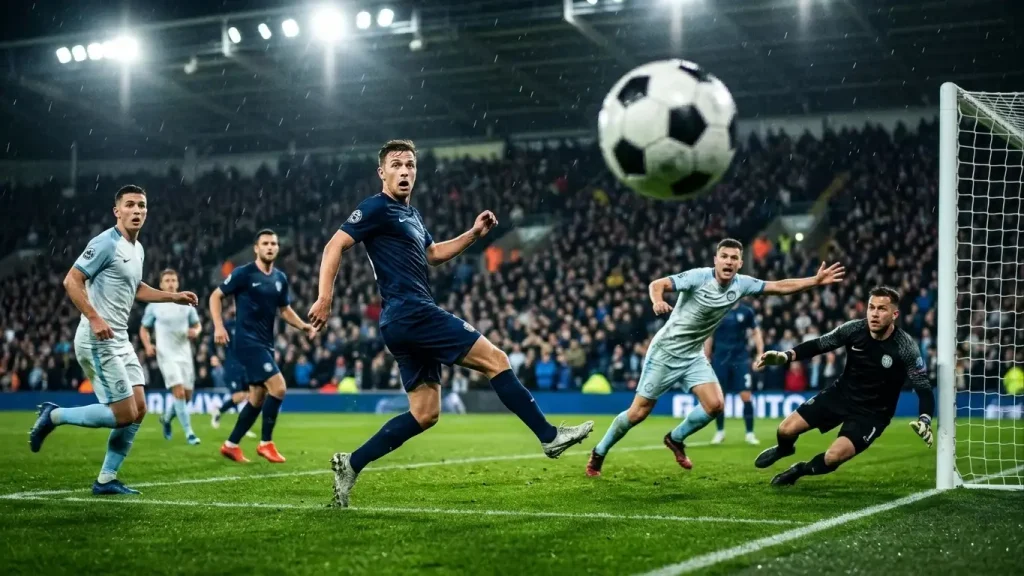
The pattern in recent finals reinforces the warning. Three of the last finals decided by a two-goal half-time lead all finished 3-0, which shows how a single match can swing from balanced to decisive in a way that looks inevitable afterward but was nothing of the sort beforehand. A 3-0 final is not evidence the result was predictable. It is often evidence of variance breaking hard one way, a tight game that tipped and then ran away because the losing side had to chase. The lesson for prediction is humility: favour the better team, but stake your confidence at the level a one-off game allows, which is lower than your instinct will suggest. Goals markets and result markets in a final both carry more uncertainty than the same markets across a tie.
Reading the 2026 final without being fooled by the scoreline
Villa’s 3-0 win over Freiburg is a perfect case study precisely because the margin invites the wrong lesson. Yuri Tielemans scored on 41 minutes, Emiliano Buendía added a second in first-half stoppage time, and Morgan Rogers finished it on 58, with Rogers becoming the youngest Englishman to score in a major UEFA final since Steven Gerrard at 23 years and 298 days. The tidy narrative is that the better team won comfortably. The honest narrative is that the match was decided in a tight first-half window and then followed the pattern of a final that breaks one way.

Look at the sequence. The second goal arriving in first-half stoppage time is the kind of moment that defines a one-off game, because it sends one team into the interval deflated and the other emboldened, and the third goal early in the second half merely confirmed a momentum that a single earlier swing could have reversed. Predicting a 3-0 beforehand would have been guesswork. Predicting that the occasion would compress into a few decisive moments was the readable part.
That is the durable takeaway. You can predict the shape of a final, that it will likely turn on a small number of high-leverage moments, far more reliably than you can predict its result or scoreline. Back the better side at modest confidence, expect variance, and treat any precise scoreline call as entertainment rather than analysis. The final caps a structure that gets tighter every round, and the way the semi-finals funnel the better teams toward this stage is covered in my piece on predicting the pressure and margins of the last four.

Why is predicting a one-off final harder than a two-legged tie?
Because a single match is a small sample dominated by luck, with no second leg to dilute a fortunate goal, a refereeing call or a single error. Over two legs the better team has 180 minutes and a running aggregate to assert itself, but a final compresses everything into ninety minutes where one moment can decide the trophy. With model outcome accuracy hovering around 50 per cent on ordinary matches, a high-pressure one-off is, if anything, noisier still.
Does the neutral venue remove home advantage entirely?
It reduces home advantage sharply but rarely removes it cleanly. Neither finalist gets the home leg, crowd and familiar pitch they leaned on through the knockout rounds, which strips out a real edge. But finals are seldom played before a genuinely neutral crowd, since one club often travels in greater numbers or the venue sits closer to its fans, so the atmosphere can still tilt. Treat the home edge as diminished rather than abolished, and assess each specific final on its own.
Articles
Created by the "Europa League Prediction" editorial team.
