
Europa League Semi-Final Predictions: Pressure and Margins

 Available in US
The stage where good teams stop taking risks
By the semi-finals, something changes in how teams play that I can almost feel through the screen. The football gets tighter, the gambles get rarer, and matches that the form table says should be open turn into chess. There is a reason for this, and understanding it is the whole key to predicting the last four well, because the semi-final is where the cost of a mistake becomes unbearable and players know it.
The numbers around the stage make the tension legible. Reaching this point is worth around 2.5 million euros at the quarter-final threshold below it, and a place in the final is the gateway to the showpiece and everything that flows from it, so by now the teams remaining are the survivors of a long elimination gauntlet with one tie standing between them and a European final. That proximity to the prize is precisely what makes them cautious, and caution reshapes every market you might want to bet.
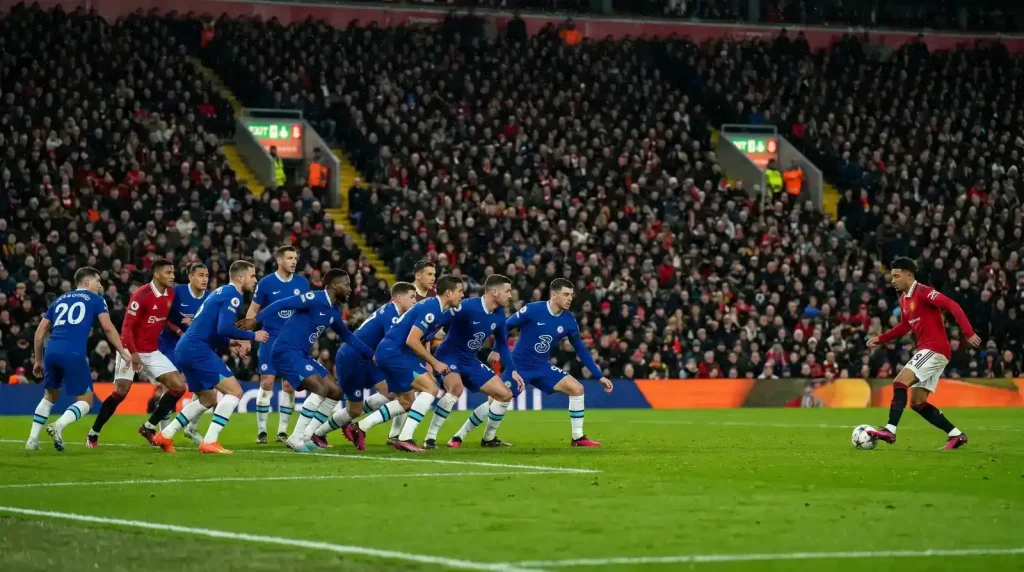
This article is about predicting in that environment: why semi-finals tighten, how the goal markets shift when teams stop gambling, and what the historical patterns of close European ties tell us about where the value tends to hide.
Why semi-finals tighten when the rest of the tournament opens up
Earlier rounds reward ambition. A semi-final punishes it. The shift happens because the asymmetry between winning and losing reaches its sharpest point of the entire competition, and the human response to that asymmetry is to minimise downside rather than maximise upside. Teams that bombed forward in the league phase suddenly value a clean sheet over a flourish, and that collective shift in priorities is what flattens the scorelines.

Think about what is actually being protected. A club one tie from a European final is protecting not just a result but a once-in-many-years opportunity, and the deeper a team goes, the more it has to lose by an error. That logic compounds across two legs. The first leg of a semi becomes an exercise in not conceding the goal that defines the tie, and the second leg, depending on the aggregate state, becomes either a controlled defence or a reluctant chase. Neither produces the freewheeling football that makes goals.
For prediction, the implication is that you should be slow to expect a semi-final to behave like the teams’ average matches. A side that scores freely in the league phase may go quiet under semi-final pressure, not because it has lost its quality but because it has consciously traded attacking risk for security. The teams have not changed. Their incentives have, and the incentives are what you are really predicting. Reading the stage correctly means downgrading goal expectancy from the raw averages and respecting how thoroughly fear of the decisive mistake governs behaviour when a final is the prize.
Goal markets when the handbrake is on
This is where the tightening becomes a concrete betting question, and the goal markets are where it shows up first. In a normal Europa League fixture, both-teams-to-score and Over/Under 2.5 forecasting both sit around 50 per cent accuracy, which already tells you these are near-coin-flip markets even before the semi-final handbrake comes on. At this stage the distribution skews further toward the cautious side, and the markets that paid in earlier rounds become traps if you bet them on autopilot.
Consider both-teams-to-score. It thrives when both sides commit to attacking, and a semi-final is the stage most likely to feature at least one team that has decided not to. A first leg between two cautious sides can easily produce a goalless or single-goal affair, which kills BTTS and the over, even when the two teams’ season-long numbers would have suggested goals. The lesson is not to abandon goal markets but to recognise that the base rate shifts, and the prudent default leans toward unders and no-BTTS more often than it does in the league phase.
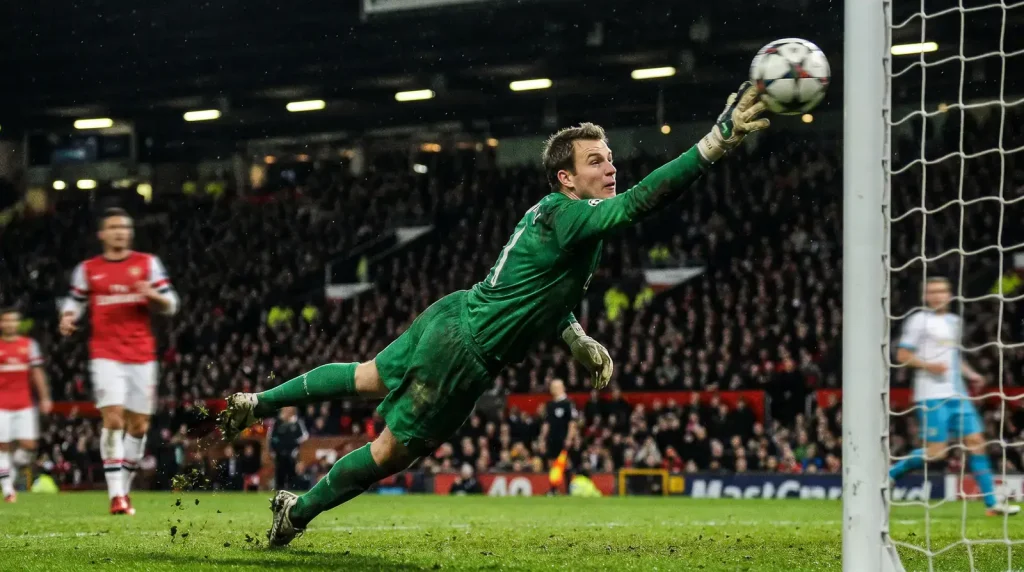
The second leg is more interesting because the aggregate state can flip the script entirely. If the tie is balanced or one side trails, the chasing team must open up, and suddenly the over and BTTS become live again precisely because someone is forced to take the risk the first leg avoided. Predicting semi-final goal markets well is therefore a two-stage job: expect the first leg to be tight, then re-price the second leg around what the aggregate demands of each team. Treat the tie as one evolving object rather than two separate matches, and the goal markets stop ambushing you.
What the patterns of tight ties reveal
History offers a quiet warning about how these tense ties resolve, and it sits in the finals as much as the semis. Three of the recent finals decided by a two-goal half-time lead all finished 3-0, including Villa’s win over Freiburg, which tells you something about how often a tight European knockout that breaks one way breaks decisively. The margins are thin until they snap, and when they snap the gap can widen fast because the trailing side is forced to chase and gets caught.

That pattern matters for semi-final prediction because it cautions against assuming a tight first leg means a tight tie. A narrow first-leg scoreline can mask a real quality gap that only reveals itself once the aggregate state forces one team out of its shell, and the result can be a lopsided second leg that the cautious opener never hinted at. The handbrake is on until it is suddenly off, and the prediction edge lies in anticipating when it comes off.
So I read semis in two registers at once: the surface tension that keeps the first leg tight, and the underlying quality difference that decides where the tie ends up when the caution finally breaks. The teams that win semi-finals are usually the better teams playing within themselves, and the value often sits not in the tight first leg but in the aggregate winner once the structure forces the issue. The aggregate framework that governs all of this is laid out in full in my analysis of how the two-leg maths shapes quarter-final predictions, and it applies with even more force one round later.

Do semi-finals produce fewer goals than earlier rounds?
Typically yes, at least in first legs, because the teams remaining have the most to lose and trade attacking risk for security. With both-teams-to-score and Over/Under 2.5 forecasting already sitting near 50 per cent in normal Europa League matches, the semi-final tendency toward caution pushes the realistic base rate further toward unders and no-BTTS. The second leg can reopen if the aggregate state forces a team to chase, so the lower-scoring expectation applies most strongly to the opening leg.
How much does the semi-final stage pay?
The financial ladder of the knockout rounds rises steeply, with the quarter-final threshold worth around 2.5 million euros and each further stage adding more on top of the league-phase earnings already banked. A semi-final place therefore sits near the top of that ladder, one tie from the final, and the size of what is at stake is exactly why teams play so cautiously, which is the single most important thing to factor into a semi-final prediction.
Articles
Created by the "Europa League Prediction" editorial team.
